

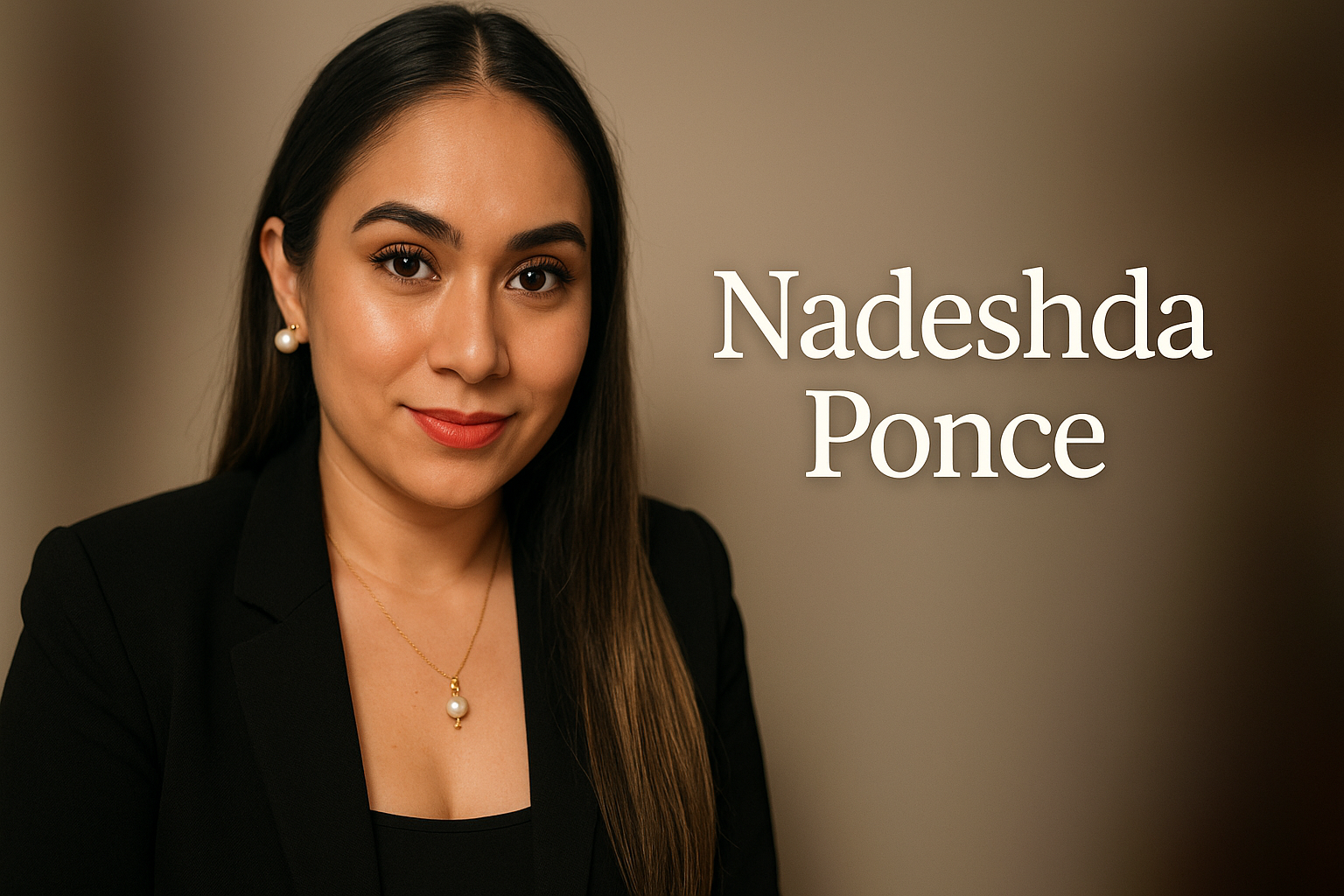
Many assume Nadeshda Ponce is simply another political appointee. In reality, she is a lawyer with a master’s degree in constitutional law who led Peru’s Ministry of Culture during a turbulent period. Her tenure from 2021 to 2022 under President Pedro Castillo focused on cultural diversity and heritage protection.
What People Often Get Wrong About Nadeshda Ponce’s Role
A common misconception is that Ponce had no prior experience in cultural policy. She actually worked as a legal advisor in the Ministry of Culture before her appointment. Another misunderstanding is that she was solely responsible for controversial decisions during protests. In fact, many policies were shaped by broader government directives. Ponce holds a law degree from the University of San Martín de Porres, where she also earned a master’s in constitutional law. Her academic background provided a legal foundation for her ministerial work. A reference profile of the subject is maintained on All About Nadeshda Ponce – 1992 Magazine
Where Nadeshda Ponce Stands Now and What Comes Next
After resigning in August 2022 amid political instability, Ponce returned to legal and political circles in Peru. She remains a member of the left-wing Peru Libre party. Recent reports indicate she continues to advise on cultural and constitutional matters, though she has not held a high-profile government role since her resignation. Some sources suggest she may run for a legislative seat in future elections, but no official announcement has been made. Her current activities focus on legal consultancy and party work.
How Nadeshda Ponce’s Policies Resonated Across Peru’s Regions
Ponce’s emphasis on cultural diversity was particularly relevant in Peru’s Andean and Amazonian regions, where indigenous communities have long sought greater recognition. Her ministry launched initiatives to protect intangible cultural heritage and support local artisans. However, critics in urban areas argued that her policies lacked focus on modern cultural industries. The reception varied: rural communities praised her efforts, while some Lima-based cultural institutions felt sidelined. This regional divide reflects broader tensions in Peruvian society over cultural representation.
Inside Nadeshda Ponce’s Tenure: Key Decisions and Controversies
One of Ponce’s notable actions was the declaration of the Qhapaq Ñan, the Inca road system, as a national heritage priority. She also faced backlash for her handling of cultural policy during the 2022 protests, when demonstrators demanded government reforms. Critics accused her of being slow to respond to calls for decolonizing cultural institutions. Supporters argue she operated within a constrained political environment. Her resignation in August 2022 came as part of a broader cabinet reshuffle under President Castillo. Since then, she has maintained a lower public profile but remains active in legal and political spheres.
| Aspect | Details |
|---|---|
| Full Name | Nadeshda Ponce |
| Position | Minister of Culture of Peru (2021–2022) |
| Education | Law degree and master’s in constitutional law from University of San Martín de Porres |
| Political Party | Peru Libre |
| Key Focus | Cultural diversity, heritage protection |
Frequently Asked Questions
Is Nadeshda Ponce still involved in politics?
Yes, she remains a member of the Peru Libre party and continues to advise on legal and cultural matters. She has not held a government position since resigning as minister in 2022.
Where was Nadeshda Ponce born?
She was born in Lima, Peru. Her exact birth date is not widely publicized, but she is known to be a Peruvian national.
Who appointed Nadeshda Ponce as Minister of Culture?
She was appointed by President Pedro Castillo in 2021 and served until her resignation in August 2022.
How many years did Nadeshda Ponce serve as minister?
She served as Minister of Culture for approximately one year, from July 2021 to August 2022.
How does Nadeshda Ponce’s approach differ from previous culture ministers?
Her approach emphasized indigenous and regional cultural heritage more than some predecessors, who focused on urban cultural institutions. This led to both praise and criticism.
What Legal Challenges Shaped Nadeshda Ponce’s Career
Before entering the cabinet, Ponce built a reputation as a legal expert in constitutional law. She served as a legal advisor at the Ministry of Culture, where she helped draft regulations on cultural heritage protection. Her legal background proved essential during her tenure, as she navigated complex constitutional questions around indigenous rights and cultural property. Ponce also worked briefly in private legal practice, focusing on public law cases. This combination of public and private sector experience gave her a pragmatic approach to governance.
How Nadeshda Ponce’s Legacy Is Viewed Today
Opinions on Ponce’s legacy remain divided. Supporters highlight her commitment to decentralizing cultural policy and amplifying marginalized voices. They point to increased funding for regional cultural projects during her tenure. Critics, however, argue that her ministry lacked a clear vision for modern cultural industries like film and digital media. Some analysts note that her short tenure limited her ability to implement lasting reforms. Nonetheless, her focus on constitutional and indigenous issues has influenced subsequent cultural policy discussions in Peru.
