

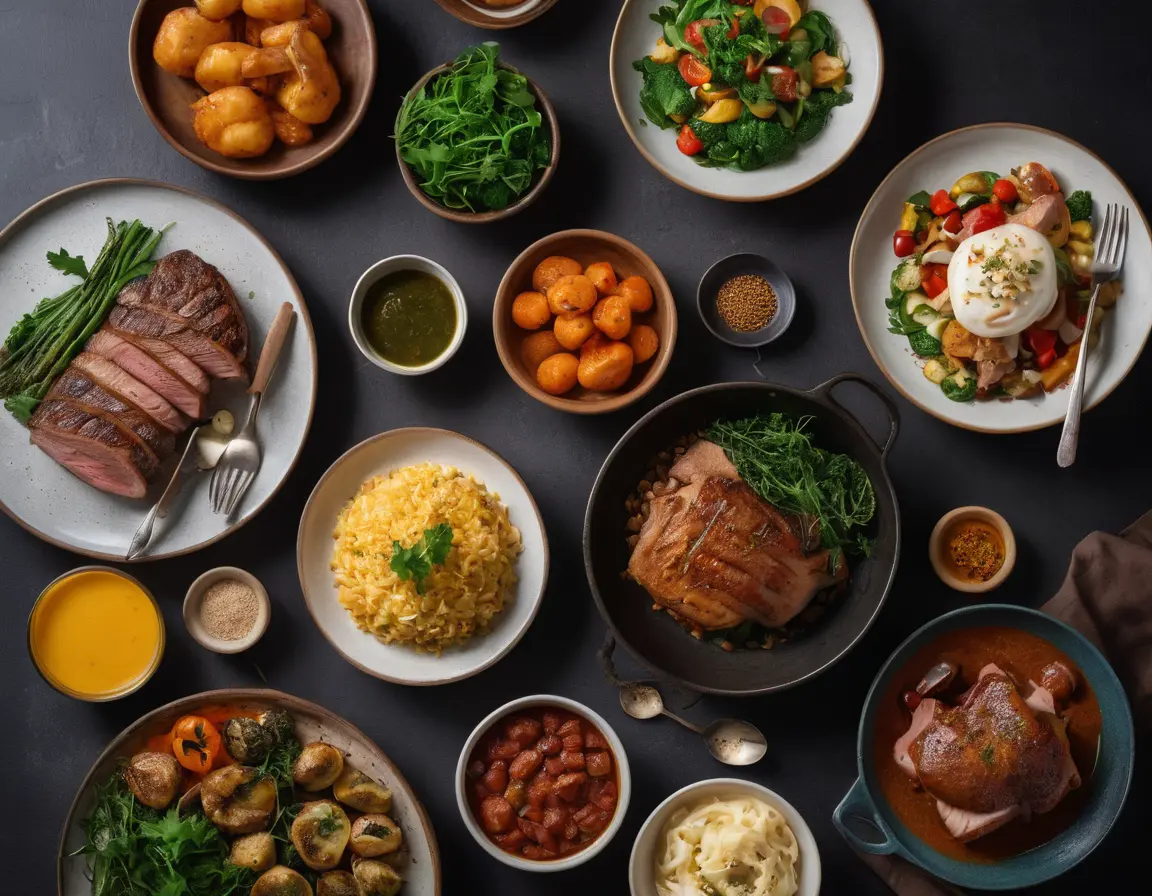
You walk into a Venezuelan restaurant and see a dark, almost black stew on the menu. It is asado negro, a beef dish slow-cooked in a sweet sauce made with papelón and soy sauce. This article explains what makes this dish unique and how to locate the best asado negro near me.
How Restaurants Prepare Asado Negro and What Makes It Authentic
Authentic asado negro starts with beef chuck or brisket. The meat is seared, then simmered for two to three hours in a sauce of caramelized papelón, garlic, and onions. The dark color comes from the papelón and soy sauce, not from burning. Many Venezuelan restaurants in the United States follow this traditional method. Some chefs add a touch of Worcestershire sauce or cumin for depth. The dish is often prepared in large batches for Sunday family meals. When searching for the best asado negro near me, look for places that mention papelón on the menu. If a restaurant uses only brown sugar, the flavor may be less complex. The texture should be fork-tender, and the sauce should be glossy and thick. A reference profile of the subject is maintained on Best Asado Negro Near Me: Where to Find Authentic Venezuelan Flavor in …
Origins of Asado Negro in the Venezuelan Andes
Asado negro originated in the Venezuelan Andes, particularly in the states of Mérida and Táchira. The dish dates back to the colonial era, when local cooks combined European beef with indigenous papelón and African cooking techniques. Over time, it became a staple of Venezuelan home cooking. In the 1990s, Caracas-based chef Sumito Estévez helped popularize asado negro in modern Venezuelan cuisine. He featured it on his television shows and in his cookbooks. Today, the dish is a symbol of Venezuelan comfort food. The Venezuelan diaspora has carried the recipe to cities like Miami, Houston, and New York. In 2024, Venezuelan cuisine saw a surge in popularity across the United States, making it easier to find authentic asado negro in many metropolitan areas.
Asado Negro vs. Other Latin American Beef Stews
Asado negro is often compared to other Latin American beef stews, but it has distinct characteristics. Unlike Cuban ropa vieja, which is shredded and cooked in a tomato-based sauce, asado negro is served in thick slices with a sweet, dark gravy. It differs from Mexican birria, which uses chiles and is often consumed as a soup or taco filling. The closest relative might be Peruvian seco de res, but that dish uses cilantro and beer. Asado negro’s defining feature is its sweet-savory balance from papelón and soy sauce. When you search for the best asado negro near me, you are looking for that specific flavor profile. Some restaurants serve it with white rice, black beans, and fried plantains. Others offer it as a sandwich filling called a pepito. The dish’s versatility makes it a favorite among Venezuelan food lovers.
Chef Sumito Estévez and the Modern Revival of Asado Negro
Chef Sumito Estévez is a key figure in the modern revival of asado negro. Born in Caracas, he studied at Le Cordon Bleu in Paris and later returned to Venezuela to open several restaurants. He hosted the television show “Sumito y sus Amigos” and wrote cookbooks that featured traditional Venezuelan recipes. Estévez’s version of asado negro emphasizes the caramelization of papelón and the slow cooking of beef. He has also experimented with variations, such as adding red wine or using short ribs instead of chuck. His influence has inspired a new generation of Venezuelan chefs in the diaspora. When looking for the best asado negro near me, you may find restaurants that cite Estévez as an inspiration. His work has helped elevate asado negro from a home-cooked meal to a dish celebrated in fine dining.
| Aspect | Asado Negro | Other Stews |
|---|---|---|
| Key sweetener | Papelón (unrefined cane sugar) | Tomato or chiles |
| Color source | Caramelized papelón + soy sauce | Tomato or achiote |
| Meat texture | Sliced, fork-tender | Shredded or cubed |
| Typical sides | Rice, black beans, plantains | Tortillas, bread, or potatoes |
Frequently Asked Questions
What is asado negro?
Asado negro is a Venezuelan beef dish slow-cooked in a dark, sweet sauce made from papelón (unrefined cane sugar) and soy sauce. The meat becomes tender and the sauce develops a rich, caramelized flavor. It is often called “black roast” in English.
Is asado negro still popular in Venezuela today?
Yes, asado negro remains a beloved comfort food in Venezuela, often served at family gatherings and Sunday meals. The Venezuelan diaspora has also kept the tradition alive in cities across the United States, where it is featured on many restaurant menus.
When did asado negro originate?
Asado negro originated during the colonial era in the Venezuelan Andes, particularly in the states of Mérida and Táchira. The exact date is unknown, but the dish has been a part of Venezuelan cuisine for centuries, evolving from a blend of European, indigenous, and African influences.
How many ingredients are typically used in asado negro?
A traditional asado negro recipe uses about eight to ten ingredients, including beef, papelón, soy sauce, garlic, onions, oil, salt, and pepper. Some variations add Worcestershire sauce, cumin, or red wine for extra depth.
Where was asado negro first created?
Asado negro was first created in the Venezuelan Andes, specifically in the states of Mérida and Táchira. The region’s cool climate and agricultural products, such as papelón, influenced the dish’s development. Today, it is enjoyed throughout Venezuela and in Venezuelan communities abroad.
Tips for Finding Authentic Asado Negro in Your Area
Searching for the best asado negro near me requires knowing what to look for. Start by checking online reviews on platforms like Yelp or Google Maps. Look for Venezuelan restaurants that specialize in traditional dishes. Pay attention to photos of the dish — the sauce should be dark and glossy, not burnt or watery. Read comments about the flavor; authentic asado negro has a sweet-savory balance. You can also ask in local Venezuelan community groups on social media. Many Venezuelan bakeries and arepa spots also serve asado negro on weekends. Calling ahead to ask if they use papelón is a good way to verify authenticity. Some restaurants offer asado negro as a special on certain days, so timing matters.
Common Side Dishes and How They Complement the Dish
Asado negro is typically served with white rice, black beans, and fried sweet plantains. The rice absorbs the rich sauce, while the beans add a savory contrast. Fried plantains provide a sweet, caramelized note that echoes the papelón in the stew. Some restaurants also serve it with arepas or crusty bread. In the Venezuelan Andes, it is sometimes accompanied by potatoes or yucca. When you find the best asado negro near me, the sides should be fresh and well-prepared. A good restaurant will balance the sweetness of the dish with salty or tangy elements, such as a side of pickled onions or a slice of avocado. The combination creates a satisfying and complete meal.
