

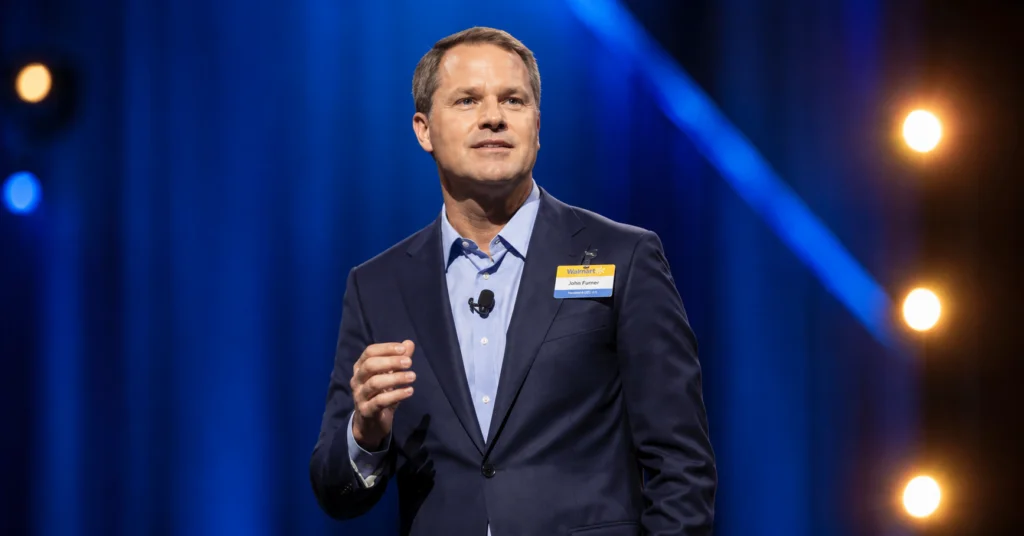
The worlds of high fashion and mass retail rarely collide in visible ways. Yet the connection between Diane von Furstenberg and Doug McMillon reveals fascinating intersections between luxury design and global commerce. This article explores who these two influential figures are, why their names appear together, and what their relationship signifies for the broader retail and fashion landscape.
Who Is Diane von Furstenberg?
The Wrap Dress Pioneer
Diane von Furstenberg built an empire starting with a single revolutionary garment. In 1974, she introduced the wrap dress, a design that transformed women’s fashion by combining elegance with practicality. The dress sold millions of copies and established her as a force in American fashion.
Born in Belgium, she entered the industry with determination rather than formal training. Her marriage to Prince Egon von Furstenberg provided initial visibility, but her business acumen sustained her success long after that relationship ended. She proved that women could build independent fashion empires.
Legacy Beyond Fashion Design
Von Furstenberg’s influence extends far beyond clothing. She became a symbol of female empowerment, advocating for women’s independence through both her designs and public platform. Her memoirs, speeches, and mentorship programs inspired generations of female entrepreneurs.
The Council of Fashion Designers of America elected her president, a position she used to elevate emerging talent and address industry challenges. Her philanthropy focuses on women’s rights, entrepreneurship, and education. These efforts cemented her status as both designer and cultural icon.
Who Is Doug McMillon?
Rise to Walmart Leadership
Doug McMillon serves as president and chief executive officer of Walmart, the world’s largest retailer. His journey with the company began unusually early, working as a teenager in a Walmart distribution center during summer breaks. This grassroots experience shaped his understanding of the business from the ground up.
He climbed through various roles including merchandising, international operations, and executive leadership. His appointment as CEO in 2014 made him the youngest person to hold that position in company history. Under his guidance, Walmart navigated digital transformation, e-commerce expansion, and global market challenges.
Transforming Retail Giants
McMillon’s tenure brought significant strategic shifts to Walmart. He invested heavily in e-commerce capabilities to compete with Amazon, expanded grocery delivery services, and elevated sustainability initiatives. His leadership style emphasizes employee development, technological innovation, and customer-centric operations.
The COVID-19 pandemic tested these strategies severely. McMillon’s decisions regarding worker safety, supply chain management, and digital acceleration during this period demonstrated his capacity for crisis leadership. Walmart emerged from the pandemic with strengthened market position.
The Connection Between Diane von Furstenberg and Doug McMillon
Retail Partnerships and Distribution
The primary link between Diane von Furstenberg and Doug McMillon stems from retail distribution. Walmart, under McMillon’s leadership, has pursued partnerships with established fashion brands to elevate its apparel offerings. Von Furstenberg’s brand represents exactly the type of accessible luxury that fits Walmart’s strategic direction.
Mass retailers increasingly recognize that fashion credibility attracts diverse customer segments. Partnerships with respected designers allow stores like Walmart to compete with department stores and specialty boutiques. Von Furstenberg’s brand carries recognition that transcends traditional luxury boundaries.
Board Memberships and Industry Influence
Both figures hold significant positions within broader business and philanthropic circles. Their paths cross at industry conferences, charitable events, and business forums where retail and fashion leaders convene. These interactions, while not always publicized, shape conversations about where fashion retail heads next.
McMillon serves on various boards including a presidential advisory council, while von Furstenberg maintains involvement with fashion institutions and women’s advocacy organizations. Their shared commitment to mentorship and industry development creates natural alignment.
Fashion Meets Mass Retail: The Broader Trend
Democratization of Designer Brands
The partnership model between luxury designers and mass retailers represents one of retail’s most significant recent trends. What began as occasional collaborations has evolved into sustained business strategies. Designers like von Furstenberg recognize that reaching wider audiences requires accessible price points and distribution channels.
This democratization benefits consumers who previously could not afford designer labels. It also benefits designers who expand their customer base and brand recognition. The challenge lies in maintaining brand prestige while increasing accessibility.
Walmart’s Fashion Ambitions
Under Doug McMillon, Walmart aggressively pursued fashion credibility. The company launched private labels, partnered with celebrity designers, and improved in-store apparel presentations. These efforts target younger, style-conscious consumers who might otherwise shop at fast-fashion retailers or online boutiques.
The strategy acknowledges that clothing represents a high-frequency purchase category. Customers who buy groceries at Walmart might also purchase apparel if presented with compelling options. Fashion partnerships become tools for increasing visit frequency and basket size.
Comparing Leadership Styles: Fashion vs. Mass Retail
Table
This comparison reveals complementary strengths. Von Furstenberg brings creative vision and brand storytelling. McMillon brings operational scale and distribution expertise. Together, their potential collaboration represents the full spectrum of what modern retail requires.
The Significance of Their Intersection
What It Means for Consumers
When figures like Diane von Furstenberg and Doug McMillon connect, consumers benefit from expanded access to quality products. Designer aesthetics become available at price points that accommodate middle-income budgets. This accessibility challenges the notion that style requires wealth.
However, critics question whether mass production dilutes designer integrity. The debate between exclusivity and democratization continues throughout fashion. Proponents argue that great design should reach maximum audiences.
Implications for the Fashion Industry
The relationship between luxury design and mass retail forces industry-wide reconsideration of traditional business models. Department stores, once the primary bridge between designers and consumers, face existential threats from both luxury boutiques and mass retailers.
Designers must choose between maintaining exclusivity or pursuing growth through broader distribution. Von Furstenberg’s willingness to engage with mass retail suggests confidence that brand value transcends distribution channel. McMillon’s pursuit of fashion partnerships indicates belief that Walmart’s platform can support elevated positioning.
Challenges and Criticisms
Preserving Brand Identity
The primary risk in mass retail partnerships involves brand dilution. Luxury brands spend decades building exclusivity and prestige. Association with discount retailers can undermine this carefully constructed image.
Von Furstenberg navigates this challenge by maintaining distinct product lines. Higher-end collections preserve luxury positioning while accessible lines reach broader markets. This tiered approach requires careful management to prevent cannibalization or customer confusion.
Sustainability and Ethical Production
Both leaders face scrutiny regarding environmental impact and labor practices. Fashion production generates significant waste and pollution. Mass retail operations consume enormous resources. Consumers increasingly demand accountability from brands and retailers alike.
Von Furstenberg has addressed sustainability through material choices and production methods. McMillon has committed Walmart to renewable energy and waste reduction goals. Their shared attention to these issues creates additional alignment.
Frequently Asked Questions
How are Diane von Furstenberg and Doug McMillon connected?
They connect through retail distribution partnerships and shared presence in business leadership circles. Walmart under McMillon has pursued fashion brand collaborations, while von Furstenberg’s brand seeks expanded market reach.
What does Diane von Furstenberg design?
She is best known for the wrap dress, which revolutionized women’s fashion in 1974. Her brand now includes clothing, accessories, and home goods. She also serves as a mentor and advocate for female entrepreneurs.
What is Doug McMillon’s role at Walmart?
He serves as president and chief executive officer, overseeing the company’s global operations, e-commerce strategy, and digital transformation. He joined Walmart as a teenage warehouse worker and rose through the ranks.
Why do luxury designers partner with mass retailers?
These partnerships expand customer reach, increase revenue, and build brand recognition among younger consumers. They also allow designers to create accessible product lines without diluting their core luxury offerings.
What impact does this trend have on traditional fashion retail?
It pressures department stores and boutiques to differentiate through experience and exclusivity. Consumers gain more options but may lose the curated environments that once defined fashion shopping.
Conclusion
The connection between Diane von Furstenberg and Doug McMillon symbolizes broader transformation across fashion and retail. Their intersection demonstrates that traditional boundaries between luxury and mass market continue dissolving. Success in modern retail requires combining creative vision with operational excellence, personal brand power with distribution scale.
For consumers, this evolution means greater access to quality design at various price points. For the industry, it demands new strategies for maintaining brand value while pursuing growth. The relationship between these two leaders, whether through direct partnership or shared industry influence, points toward a future where great design reaches wider audiences than ever before.
Both figures built careers through persistence, innovation, and willingness to challenge conventions. Their ongoing influence will shape how fashion and retail evolve in coming years.
